
Particularly in the last three years, following Michael Gove’s decision to axe American literature from the GCSE English reading list, I’ve paid close attention to the types of literature I’ve been exposed to in school. Here’s all the books I’ve studied from year six to year twelve:

These books are great and generate a lot of discussion. This year, I’ve really enjoyed Tess of the d’Urbervilles. I don’t mean to say these texts aren’t worthy of studying – but classrooms would hugely benefit from more diverse and current books, especially from this century. This is already happening, to a certain extent – for example, with Noughts and Crosses.
I think YA is more likely to make an impact on a student’s life. The YA section in a bookstore is where you’ll find some of the most influential and life-changing reads, as well as a plethora of diverse stories. So much of what I read in these categories spark important discussions.
In my opinion, the current syllabuses fail to do so – of course, there’s discussion of race and patriarchy, but often in the context of eras gone by. As important as historical literature is, it’s also integral to make syllabuses inclusive of books that deal with issues in the current state of the world.
It’s also so vital children see themselves represented. I’m yet to find literature by authors of any Asian origin on a syllabus, and LGBT* representation is shockingly sparse. The ratio of black and female authors to white and male authors is also far from equal on reading lists.
So, what would I put on the curriculum?
A while ago, I wrote a post based on a Twitter discussion, about what books others would like to see in school. I wanted to revisit this idea, using some of my recent reads! Without further ado, here’s a shortlist of books I’d give students, if I had the power:
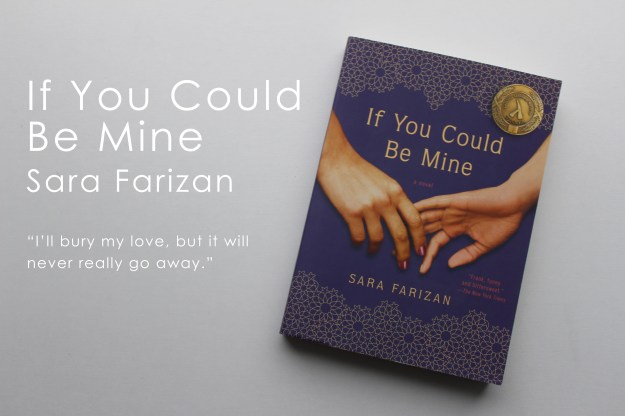
GCSE and A Level: If You Could Be Mine is a beautifully written book about two girls in Iran, who have feelings for one another but can’t express it publicly. It would be awesome to see an Iranian author on the syllabus, and the story is an emotional one with lots of themes to be talked about in class, from sexuality and religion to society and tradition.
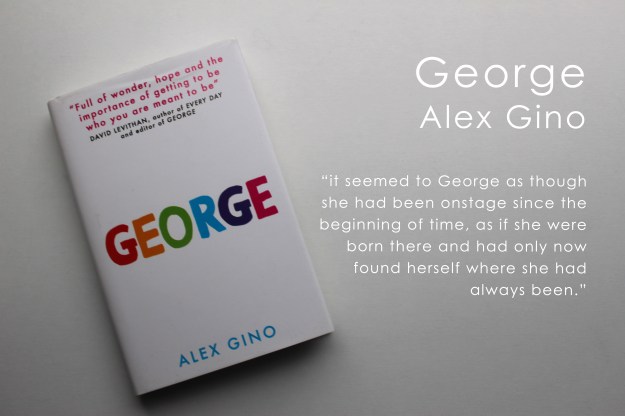
Middle Grade Reading: George would be a fantastic book to discuss with younger pupils. Not only is it a really fun, heartwarming read – it’s also the perfect way to start a discussion about gender with children and promote tolerance of trans kids. Trans children are more likely to feel alienated and be victims of bullying in school: wouldn’t it be incredible for them to see themselves in the books they read?

A Level: The Bunker Diary is controversial, to say the least, and it’s incredibly hard hitting. That’s why I hesitated to put this on the list. But I think it would be fascinating to analyse for students who would feel comfortable talking about its themes. In particular, the narrative is a really interesting point; it’s constantly evolving and switching as the protagonist spends longer in the bunker.

GCSE: Especially on the GCSE curriculum, opportunity to talk about current events is very limited. Police brutality and racism in America is a really important topic to engage students in so they’re aware and informed. The Hate U Give is perfect for this. It’s also a fantastic read that’s hard to put down.

GCSE and A Level: Wide Awake is definitely underrated and I’m always eager to recommend David Levithan! The current state of the US is pretty depressing, but this book explores the idea of a gay Jewish president being elected, and the diverse celebration surrounding his campaign. It’s brilliant! David Levithan’s writing is absolutely beautiful and it would be so wonderful for it to be reflected on in classrooms.

Middle Grade Reading: Wonder has to be on this list! I’m pretty sure some primary schools have already used this book as a talking point. Wonder is written from multiple perspectives and follows Auggie as he starts mainstream school with a facial deformity. This book is so heartwarming and has already inspired so many young people to promote kindness.
What books would you put on the curriculum?

 Goodreads Synopsis: From the author of CHASING THE DARK comes a thrilling young teen crime mystery, guaranteed to keep you guessing until the very end.


 Goodreads Synopsis: “My name is Harriet Manners, and I am still a geek.”
 Goodreads synopsis: “Faces flashed before my eyes. And for every face there was a time that they had let me down. Each punch that landed was revenge, my chance to tell them I hadn’t forgotten what they did.”
 Goodreads synopsis: Gadzooks! It’s another term at Dother Hall for Tallulah and her mates. But can they keep their minds on the arts with all those boys about…
 Goodreads synopsis: Bluebell Gadsby is 13 but that’s the least of her problems. Both her parents seem more interested in their careers than the family, leaving Blue and her three siblings as well as their three pet rats (who may or may not be pregnant), in the care of Zoran the au pair. The enigmatic Joss moves in next door and Blue thinks she might be falling in love, until he takes out her older sister Flora instead (who, incidentally, is trying to make a statement by dying her hair bright pink but no one takes the blindest bit of notice). Blue thinks and feels very deeply about life but can’t really talk to anyone about it, because no one in the Gadsby family wants to address the real problem – that Blue’s twin sister, Iris, died a year ago, and they are all just trying to hide their grief in busyness…
 Goodreads synopsis: ‘I am Friday Brown. I buried my mother. My grandfather buried a swimming pool. A boy who can’t speak has adopted me. A girl kissed me. I broke and entered. Now I’m fantasising about a guy who’s a victim of crime and I am the criminal. I’m going nowhere and every minute I’m not moving, I’m being tail-gated by a curse that may or may not be real. They call me Friday. It has been foretold that on a Saturday I will drown…’
 Goodreads synopsis: New York, 1963.
  the bibliomaniac book blog